
Introduction
Artificial intelligence (AI) is fast becoming a game-changer for not-for-profit organizations, offering new ways to streamline operations and engage supporters. In Australia and beyond, charities are starting to embrace AI tools—from machine learning algorithms to chatbots—to amplify their impact. A recent survey found that one in four Australian NFPs are already using AI, and 69% plan to deploy AI tools in the next year, driven largely by the explosion of accessible tools like ChatGPT. While we’re still in early days, the momentum is building: the adoption of generative AI in the sector doubled over the past 12 months. Thought leaders note that these technologies “can be a tremendous tool for helping nonprofits increase impact” even amid economic challenges affecting donations and budgets.
In this article, we explore how AI is helping not-for-profits in Australia increase operational efficiency, improve donor engagement, and ultimately generate more funding. We’ll dive into real case studies of charities using AI for predictive analytics, chatbots, document processing, and sentiment analysis. We’ll also tackle the key digital transformation challenges NFPs face—like limited resources, manual processes, siloed data, and lack of personalization—and see how AI offers solutions. Finally, we highlight clear benefits of AI in four areas (content classification, forecasting, data migration, and AI agents) and share insights from recent reports and experts. By the end, it will be clear why AI isn’t just tech hype for nonprofits, but a practical toolkit to amplify their mission.
The Digital Transformation Challenges for NFPs
Not-for-profit organizations operate under unique constraints. Many are resource-constrained, relying on lean staff and tight budgets to fulfill ambitious missions. This often leaves little room for investing in cutting-edge technology, indeed, only about 3% of NFPs were actively investing in AI as of late 2024, despite widespread interest. As a result, manual processes remain common: from entering donation data by hand to copying information between disconnected spreadsheets, staff time is drained by repetitive tasks. Legacy systems and siloed data further complicate matters. In one survey, 77% of Australian NFPs said they lack systems that let them fully understand the impact of their services, and only 25% felt their data quality is good enough for meaningful analysis. “There was no real thought-through architecture… It was all over the place,” admitted Australian Red Cross CIO Brett Wilson when describing their pre-transformation tech stack, which had 1,400 staff and 25,000 volunteers’ data fragmented across Excel sheets and other platforms. Such silos make it hard to get a single source of truth or to generate insights across programs.

Another major challenge is poor personalization in communications and services. Many charities still send one-size-fits-all email blasts or rely on generic outreach that fails to resonate with individual supporters. Wilson noted that Red Cross had been sending “blanket EDMs” (mass email campaigns) and realized this was contributing to donor fatigue amid a decline in donations over the past five years. Today’s supporters, accustomed to the tailored experiences of the digital age, expect more relevant engagement, but delivering that at scale is difficult without advanced tools. In short, nonprofits often “feel their current setups are holding them back”. Clunky data processes, disconnected systems, and lack of automation not only sap efficiency but also impede decision-making and donor relations.
Fortunately, these pain points are exactly where AI can make a difference. By automating routine work, integrating data, and enabling personalization, AI offers a path to “increased productivity in a resource-constrained sector”, as Infoxchange CEO David Spriggs observed. The following sections will highlight how AI is already addressing these challenges for nonprofits, with real-world examples and proven results. Before diving into specific applications, it’s worth noting that experts caution that technology alone isn’t a magic fix. “The technology promises a future of efficiency and impact, but organisations can’t tap into that potential without strong foundations in place,” says Carolina Fonseca, an Australian nonprofit tech consultant. In other words, getting data and systems in order is a prerequisite to fully leverage AI – a theme that underpins many success stories below.
AI in Action: Case Studies Driving Impact
To ground the discussion, let’s look at a few real-world case studies where not-for-profit organizations have successfully deployed AI tools. These examples – drawn from Australia where possible – showcase AI’s potential across different functions:
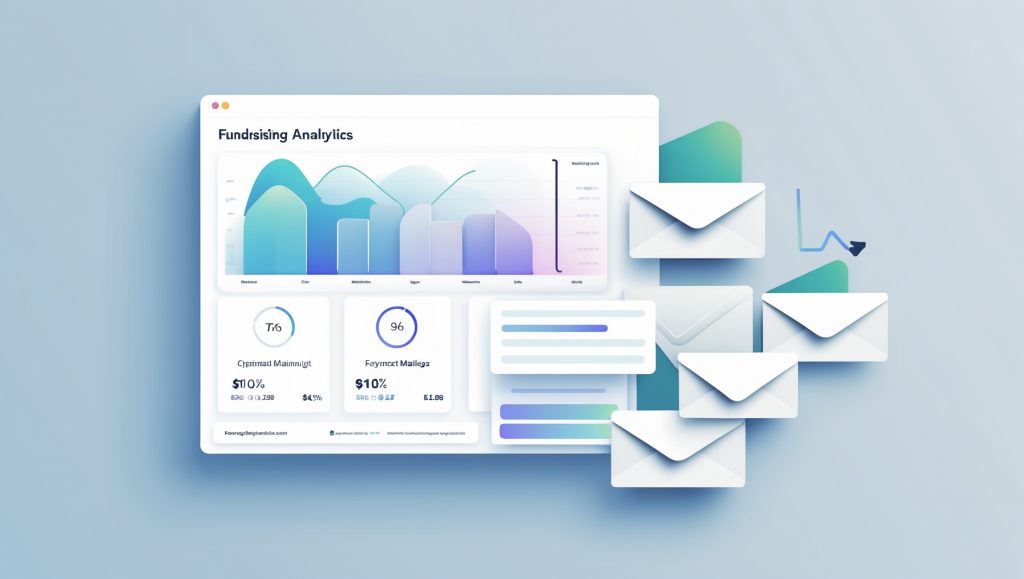
- Predictive Analytics for Fundraising: UNICEF Australia partnered with an AI provider to improve direct mail fundraising. By using machine learning to predict which donors were most likely to give, they mailed 15,000 fewer people and still raised more money, achieving a 26% uplift in net revenue and a 35% increase in ROI, while saving $30,000 in mailing costs. This case demonstrates how predictive models can increase efficiency (less waste in outreach) and boost funding outcomes simultaneously. Another example comes from overseas: the American Cancer Society used ML to identify which digital ad campaigns yielded the most donations, resulting in donation revenue 117% above benchmark and an engagement rate of nearly 70% for those targeted campaigns. These successes underline the power of data-driven targeting and forecasting in the nonprofit context.
- AI-Powered Chatbots and Agents: AI chatbots are helping nonprofits handle inquiries and support in real time. For instance, Australian firm Neon Carrot developed an AI chatbot agent that lets aged care workers query a mountain of policy documents and instantly get answers with references. The chatbot (built on government aged care guidelines) saves staff from hunting through binders, providing quick, trusted information on demand. “How does an aged care provider become approved?” one might ask – and the chatbot will pull up the relevant regulations. An AI chatbot developed for a nonprofit context answers a complex policy question by retrieving the exact answer from internal documents, with citations. This kind of AI agent ensures frontline staff get accurate answers in seconds, improving operational efficiency and consistency. Nonprofits are also exploring chatbots for donor engagement. AI-powered assistants can guide potential donors through the giving process 24/7, answer frequently asked questions, and even help volunteers sign up, ensuring no inquiry goes unanswered when staff are offline. For example, charities have deployed chatbots on Facebook Messenger and websites to handle common queries like “How do I sponsor a child?” or to collect donations through a conversational interface. Early adopters report that these tools not only save staff time, but also improve donor satisfaction by providing instant responses.

- Document Classification and Processing: Many NFPs grapple with mountains of documents—from grant applications and client records to compliance reports. AI-based content classification can automatically tag and sort these documents, or extract key information, drastically cutting down manual data entry. A notable example is the Australian Charities and Not-for-profits Commission (ACNC) itself (the sector’s regulator) which is investigating the use of AI to streamline reviewing the financial reports that charities submit. Instead of staff manually poring over each annual report, an AI system could classify sections, flag irregularities, and summarize financial positions, making oversight more efficient. Within nonprofits, AI document processing is used for tasks like scanning expense receipts and categorizing them, or protecting sensitive information. For instance, AI can identify documents containing donor personal data or confidential case details and ensure they’re properly secured and compliant with regulations. The Australian Red Cross Lifeblood team recently trialed a generative AI tool to summarize complex research papers and operational documents, enabling staff to digest lengthy reports far faster than before. By breaking documents into sections and providing concise summaries with links to detailed sections, the AI helped Lifeblood’s staff retrieve needed info in a fraction of the time.

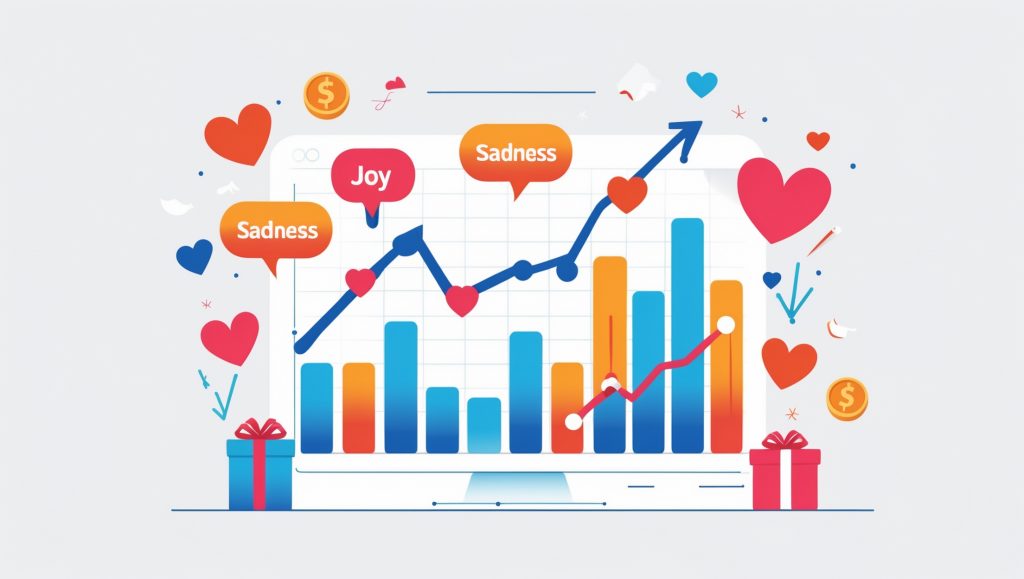
- Sentiment Analysis for Stakeholder Insights: Understanding the feelings and opinions of donors and the public can help nonprofits tailor their messaging. AI-driven sentiment analysis combs through text—like donor survey responses, social media posts, or feedback emails—to gauge whether sentiments are positive, negative, or neutral. More advanced emotion AI can even detect specific feelings such as joy, frustration, or sadness. This has real fundraising implications. New research analyzing tweets about nonprofits found that different emotions in posts correlate with donation behavior: for example, tweets expressing sadness were linked to increases in donations to the Fred Hollows Foundation, an Australian health charity. In other words, if public conversation around a cause is tinged with sadness (perhaps reflecting empathy or urgent need), people are more likely to donate. Nonprofits can leverage such insights to shape campaigns—tactfully invoking the emotions that drive generosity—and to monitor public sentiment in real time. Amnesty International demonstrated a related use-case with its Troll Patrol project, which used AI to detect and analyze online abuse on Twitter. While aimed at protecting advocates rather than fundraising, Amnesty’s initiative showcased how AI can sift through massive social media data to find patterns (in this case, flagging toxic content). Charities can similarly deploy sentiment analysis to, say, monitor the reaction to a new campaign or identify supporters at risk of disengaging (e.g. a usually positive donor whose emails turn negative could trigger an alert to staff).
These case studies make it clear that AI is not a distant future concept for not-for-profits – it’s here now, delivering tangible benefits. From raising more money with fewer resources to improving service delivery, AI is helping NFPs punch above their weight. In the following sections, we’ll explore four key application areas for AI (aligned with the core services offered by Australian nonprofit tech consultancy Data Gravity) and how each addresses the challenges we outlined. Along the way, we’ll highlight more benefits and best practices, as well as insights from sector leaders on AI adoption between 2023 and 2025.
Comments
A really insightful article